Tove Carlsson / 3 min reading / Sauna, Hot tubs
You step out of the sauna and the air feels sharper than before. Your body is warm, almost heavy from the heat. Just a few steps away, the cold is waiting, still, clear, and immediate.
The ice bath is not the opposite of the sauna. It is part of the same rhythm. and together they create a cycle that has existed in Nordic cultures for generations: heat, cold, stillness, repetition.
Switching between sauna and cold water is not a modern trend. It comes from living closely with the seasons, wood-fired heat, cold air, lakes, winter water. It has never been about performance, but about moving from one state to another. The sauna and ice bath enhance each other through contrast. In the sauna, everything slows down. The heat softens both the body and the mind. Conversations become quieter or fade away altogether.
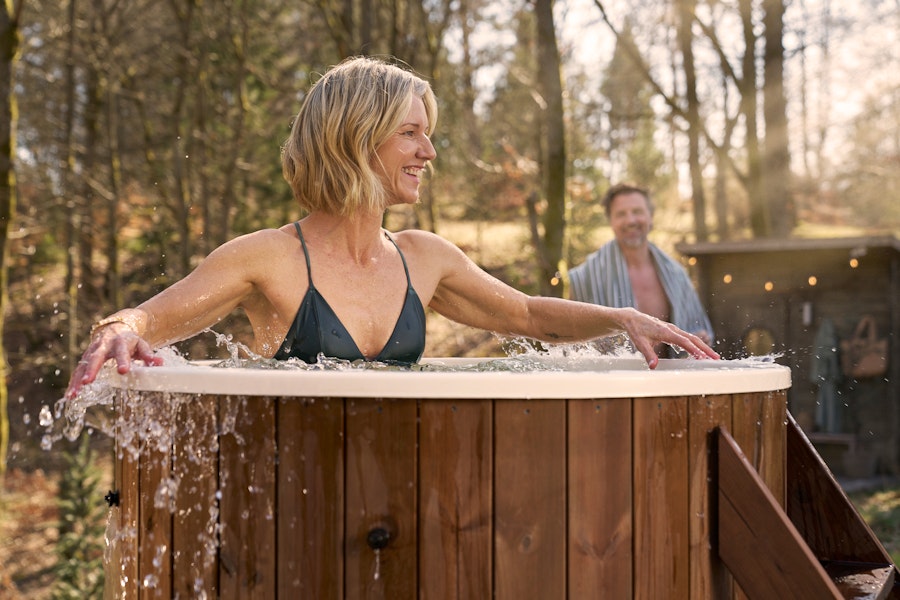
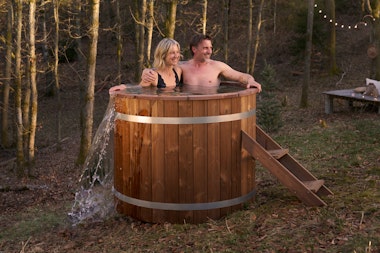
Then comes the cold plunge, just a deliberate step into the cold. The water takes over and the body awakens.

There is no right order. Some people start with the sauna to fully warm up before the cold plunge, while others prefer a quick dip first. The most important thing is to find a rhythm that feels natural to you.
When you alternate between the sauna and a cold plunge, your body responds immediately to the change in temperature. The heat of the sauna helps your muscles relax and leaves your body feeling heavier and calmer. When you then step into cold water, the reaction is the opposite: your breathing sharpens and your body becomes more alert.
Many people choose to alternate between the sauna and cold plunge several times during the same session. The sauna provides a deep sense of calm and enveloping warmth, while the cold plunge brings clarity and presence. It is the transition between the two that makes the experience so unique.

The most important thing is ease of movement between heat and cold. The feeling of the space matters more than size or complexity. Natural materials, lighting, and proximity to nature all shape the experience.
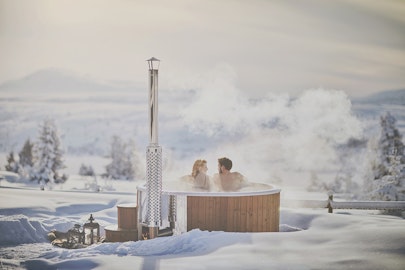
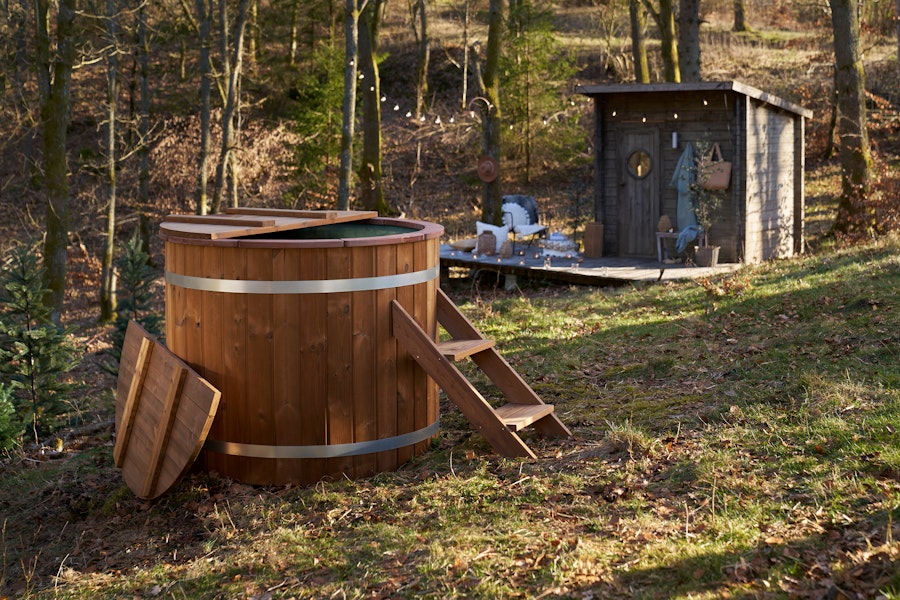
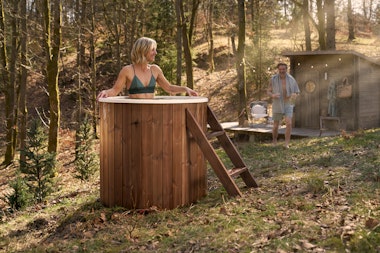
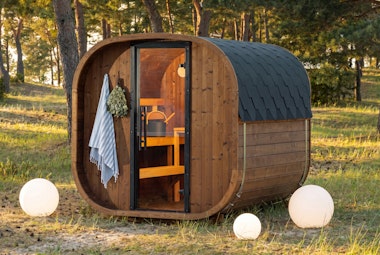
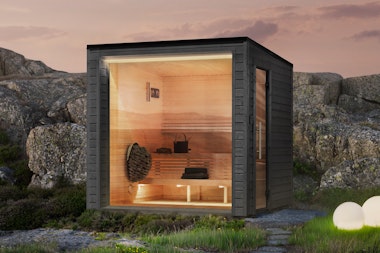
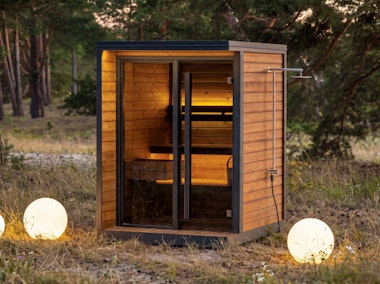
Many people place the sauna slightly apart in the garden, often with a view, while the cold plunge tub is kept open and accessible throughout the year.
Together, they create a space that works just as well for a short evening sauna as it does for long winter sessions at the weekend.
When planning your setup, a few simple details make a big difference:
Place the cold plunge close to the sauna for a natural flow between hot and cold
Use wood, stone, or gravel to help the area blend into the garden
Consider lighting carefully, especially for darker months
Add a simple seating or resting area between sessions


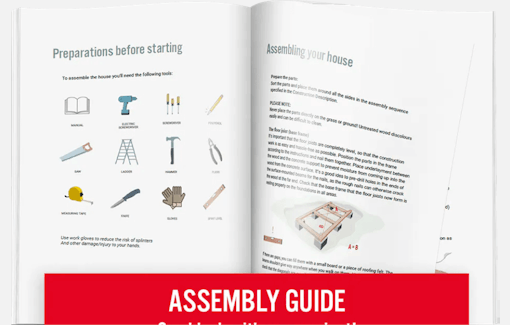
The assembly guide contains valuable tips and advice from our construction experts. A good base and a manual for those who plan to assemble the house themselves. We walk you through what’s important to consider before starting construction, the foundation options our experts recommend, and how the assembly works.
Read all about this and much more in our guide. We will send the assembly guide free of charge to your email. Good luck with your project!